
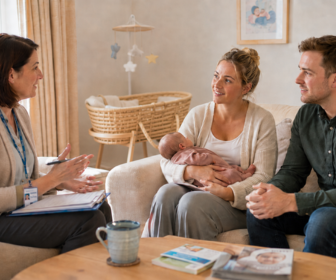
Health Visitors work with babies, children and their families during some of the biggest changes they will ever experience; pregnancy, birth, becoming a parent and those incredibly important first years of a child's life.
What Does a Health Visitor Actually Do? We Don’t Just Weigh Babies!
"Oh, you're a Health Visitor… so you weigh babies?"
If I had a pound for every time I'd heard that one!
Yes, we do sometimes weigh babies. But health visiting is about so much more than a number on the scales.
And sometimes, the person we're supporting most isn't the baby at all.
It's Mum. It's Dad. It's the whole family.
So, What Actually Is a Health Visitor?
In the UK, a Health Visitor is a registered nurse or midwife who has completed additional specialist training in community public health nursing. Health Visitors specialise in the health, development and wellbeing of babies, young children and their families.
In England, Health Visitors lead the 0–5 element of the Healthy Child Programme, the national public health programme designed to help children get the best possible start in life.
But the job isn't simply about checking whether a baby is growing.
We're looking at the bigger picture.
How is baby doing?
How is Mum doing?
How is Dad or partner doing?
How is everyone coping at home?
Because all of those things matter.
Yes, We Weigh Babies... But That's Only One Tiny Part of It
Baby weight can tell us useful information about growth, particularly in the early weeks.
But a baby doesn't need to be weighed constantly when they're growing well. In fact, NHS guidance recommends spacing out routine weighings as babies get older when there are no concerns.
When I visit a family, I'm not simply thinking:
"What does baby weigh?"
I'm thinking about feeding, development, sleep, safety, relationships, parental well being, attachment, communication, the home environment and whether that family needs any additional help.
A set of scales can't tell you all of that.
We Support You With Feeding
Whether you're breastfeeding, expressing, combination feeding or formula feeding, feeding a newborn can feel completely overwhelming.
Health Visitors can support families with feeding and help work through things such as
- Breast Feeding
- Bottle Feeding
- Responsive feeding
- Introducing solid foods
- Feeding routines
- Concerns about weight gain
- Knowing when further specialist support may be needed
And, importantly, feeding conversations should focus on supporting families, not on making parents feel judged for how their baby is fed.
The NHS includes feeding support as a key part of the new baby Health Visitor review.
We Care About Mum's Mental Health Too
This is one aspect of health visiting that people don't always realise.
When we ask a mum, "How are you feeling?" we're not making polite conversation.
We're asking because your wellbeing matters too.
Having a baby can bring an enormous emotional adjustment. Some women experience the baby blues, while others may struggle with anxiety, postnatal depression, birth trauma, intrusive thoughts or simply feel completely overwhelmed by their new life.
Current Healthy Child Programme guidance specifically includes parental physical and emotional health as part of postnatal Health Visitor assessments.
Sometimes being able to say:
"I'm actually not coping very well." can be the beginning of getting the right support.
And you never need to pretend everything is perfect for your Health Visitor.
We Support Dads and Partners Too
Health visiting isn't just about Mum and baby.
Becoming a parent is a huge adjustment for fathers and partners as well.
Sleep deprivation, financial pressures, changes within a relationship, worries about the baby and the responsibility of parenthood can affect the whole family.
Dads can struggle with their mental health after the birth of a baby too.
So when a Health Visitor asks how everyone at home is doing, we really do mean everyone.
We Look at Your Baby's Development
Babies don't all develop according to an identical timetable.
Some sit early.
Some walk early.
Some chatter away while another child is busy developing their physical skills.
Health Visitors monitor children's development over the early years and give parents opportunities to discuss concerns around areas including:
- Communication and language
- Movement and physical development
- Hearing and vision
- Social development
- Behaviour
- Play
- Sleep
- Feeding
- Emotional development
Later developmental reviews also look at things such as speech, social skills, behaviour, healthy eating, sleep and safety.
And if something doesn't seem quite right, we can help decide whether a child needs monitoring, additional support or referral to another service.
We Talk About Sleep A Lot!
If there's one subject almost guaranteed to come up when you have a baby, it's sleep.
Safe sleep is particularly important during infancy, and Health Visitors provide evidence-based advice about safer sleeping arrangements.
We can also talk about normal infant sleep, night waking, routines and sleep difficulties as children get older.
Because when a baby isn't sleeping, there's usually a very tired parent who isn't sleeping either.
We Talk About Safety
Once you have a baby, you suddenly realise how many things there are to think about.
Safer sleep.
Car seats.
Bath temperature.
Falls.
Burns.
Medicines.
Choking.
A suddenly mobile baby who appears determined to investigate absolutely everything they're not supposed to!
Health Visitors provide age-appropriate safety advice as children grow. Safety and safer sleep are both specifically included within England's Healthy Child Programme.
We Talk About Vaccinations, Teeth, Food and Healthy Development
Health visiting is a public health role.
That means we're also thinking about preventing problems before they happen.
You might talk to your Health Visitor about:
- Childhood vaccinations
- Healthy eating
- Introducing solids
- Oral health and first teeth
- Physical activity
- Vitamin supplementation
- Accident prevention
- Toilet training
- Behaviour
- Preparing for nursery or school
It can feel like a random collection of subjects, but they're all connected to helping children have the healthiest possible start.
Sometimes We Simply Listen
This part of the job doesn't appear on a set of baby scales either.
Sometimes a parent needs someone to listen.
Maybe they're exhausted.
Maybe feeding hasn't gone as planned.
Maybe their relationship has changed since having the baby.
Maybe they're lonely.
Maybe they're struggling financially.
Maybe they have very little support around them.
Or maybe motherhood simply doesn't feel anything like they expected it to.
Health Visitors don't have a magic wand.
But we can listen, help work out what might make things easier and connect families with other services or community support when needed.
And Sometimes We Have Difficult Conversations
Health Visitors also have an important safeguarding role.
Part of our job is making sure babies and children are safe and that families receive support when there are concerns.
That can include talking about difficult subjects such as domestic abuse, parental mental health, substance misuse, unsafe living situations or concerns about a child's wellbeing.
These conversations aren't always easy.
But protecting children and supporting vulnerable families is a significant part of what Health Visitors do. Current national guidance describes safeguarding assessment and enquiry about domestic abuse as core elements of Health Visitor reviews.
When Will You Usually See a Health Visitor?
In England, the Healthy Child Programme currently includes five statutory health and development reviews:
- During pregnancy
- The new birth review
- Around 6–8 weeks
- Around 12 months
- Around 2–2½ years
Additional contacts can also be offered when a child or family needs more support.
Your exact service may look slightly different depending on where you live, and you may meet other members of the wider Health Visiting team too.
Midwife or Health Visitor – What's the Difference?
This one understandably confuses lots of new parents.
Very simply:
Your midwife's main focus is pregnancy, birth and your immediate postnatal care.
Your Health Visitor's relationship with your family continues through your child's early years.
There is some overlap in those first few weeks, particularly around feeding and maternal wellbeing, and good communication between maternity and health visiting services helps provide continuity for families.
Please Don't Worry About Having a 'Perfect' House
One final thing.
If your Health Visitor is coming and you've got washing on the sofa, bottles on the side and you've not vacuumed since approximately three days before giving birth...
We really don't care.
We've come to see you and your baby, not inspect your skirting boards.
Becoming a parent is hard enough without panic-cleaning the house because the Health Visitor is coming!
So No... We Don't Just Weigh Babies
We might arrive carrying some scales.
But behind those scales is a professional thinking about your baby's health and development, your mental and physical wellbeing, your relationships, your support network, your home circumstances and how your family is adjusting to life with a new baby.
Health visiting is about prevention, early support and giving children and families the best possible start.
And sometimes the most important thing we can do isn't weigh a baby at all.
It's notice that a parent isn't quite themselves.
Listen when someone says they're struggling.
Reassure someone who thinks they're doing everything wrong.
Or help a family find the support they didn't know was available.
That's health visiting.
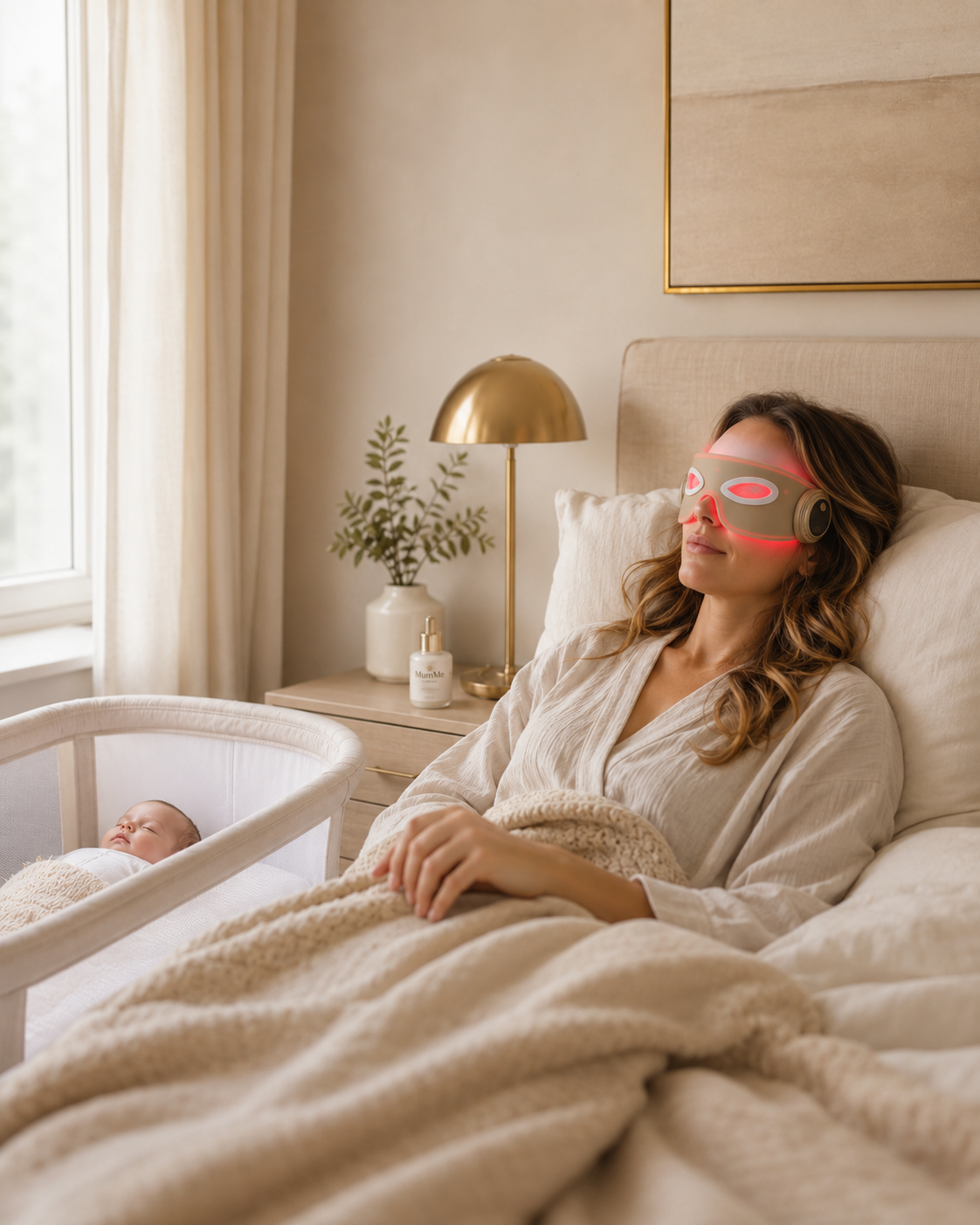
And at MumMe London, it's also one of the reasons we believe so strongly that while everyone is checking on the baby...
someone needs to check on Mum too. 🤍
Created by a Mum & Health Visitor.

Leave a comment
This site is protected by hCaptcha and the hCaptcha Privacy Policy and Terms of Service apply.